






















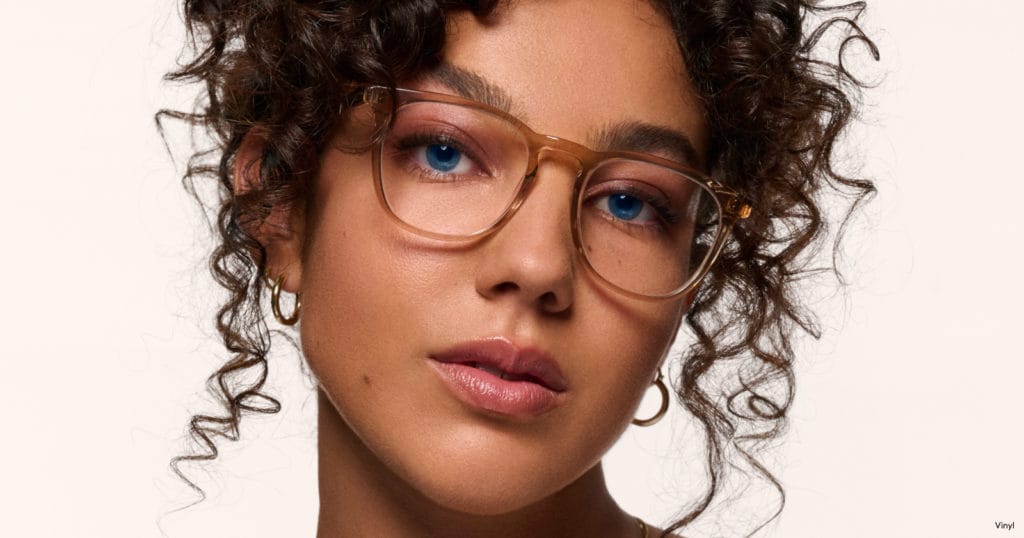
The blue eye color is considered beautiful by many. But there’s more to these colorful eyes than you may know. Here’s a look at how rare blue eyes are, when they originated, and some facts you may find surprising about blue eyes.

How Many People Have Blue Eyes?
Blue eyes are not the rarest eye color globally, but they are far from the most common. In the United States, blue eyes are the second most common color:
The American Academy of Ophthalmology conducted a survey in 2014 to record the percentages of eye color in Americans. Data showed that 27% of Americans had blue eyes at the time of the report. Brown was the most common color at 45% of Americans.
Globally, the percentage of blue eyes is lower, around 8% to 10% of the world population. The prevalence varies dramatically by geography; for instance, blue eyes are far more common in Scandinavian countries and Iceland.
Where Do Blue Eyes Come From?
Believe it or not, blue eyes are not actually blue. So where does the color come from?
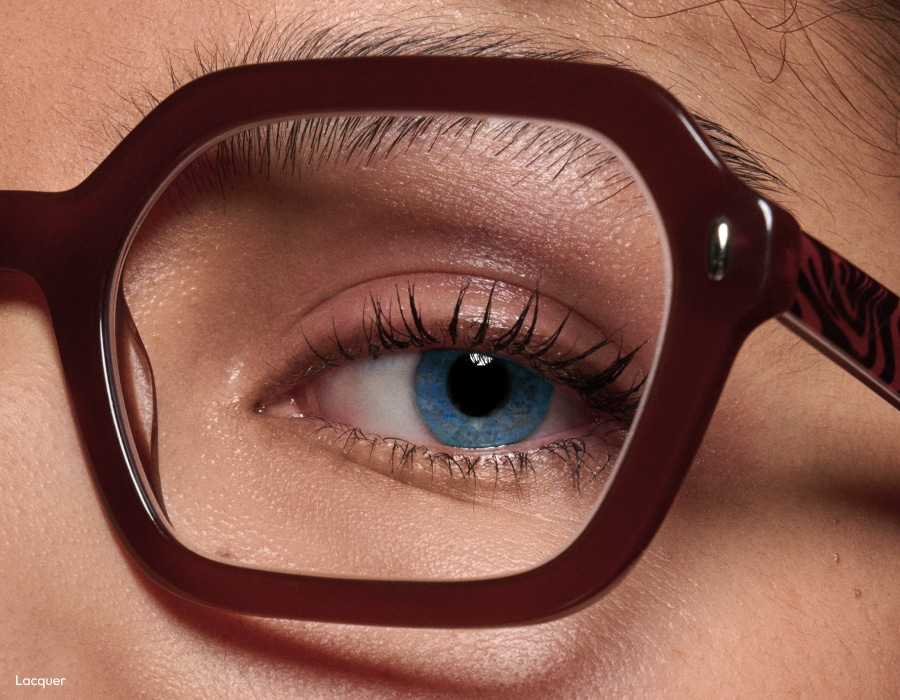
The shade of your eyes comes from the iris (the colored part of the eye), which has two different layers. The first layer of the iris is called the stroma, and it’s where your eye color appears. The second layer of the iris is called the pigment epithelium, and it contains brown pigment.
Everyone has brown pigment in the second layer of the iris, regardless of what color their eye appears to be.
But in blue eyes, the stroma doesn’t contain any pigment, and the iris reflects light differently without it. Fibers within the iris absorb longer wavelengths of light, giving the appearance of the blue color.
Without pigment to absorb light, the light that enters the eye is scattered back out of the stroma. This is known as the Tyndall or Rayleigh scattering effect. This scattering effect is what makes the sky and the ocean appear blue, and the same principle applies to blue eyes: more blue light reflects out, making the eyes appear blue.
Are Blue Eyes Genetic?
Yes. And while your eye color does depend on the color of your parents’ eyes, it’s actually a little more complicated than that. What we mean by this is that there isn’t one single gene that determines eye color, but several.
This makes it difficult to predict what a child’s eye color will be. It’s also the reason why two brown-eyed parents can have a child with blue eyes.
Are Blue Eyes a Mutation?
Scientists have confirmed that blue eyes are a mutation of brown eyes. Between 6,000 and 10,000 years ago, everyone had brown eyes. But eventually, a genetic mutation affected the production of melanin, the brown pigment in the eyes.
As mentioned before, a lack of pigment in the first layer of the iris causes light to reflect bluer than any other color. And it’s all thanks to this genetic mutation from thousands of years ago.

Are All Blue-Eyed People Related?
Yes … well, very loosely related. Research has suggested that all blue-eyed people share a common ancestor who possessed the genetic mutation that causes blue eyes. But this ancestor was born between 6,000 and 10,000 years ago when this eye color first appeared.
So don’t worry! Having blue eyes doesn’t (necessarily) mean that your parents are related.
Health and Blue Eyes: Risks and Benefits
Having lighter eyes is linked to a few unique health factors that are important to note.
Increased Risks
Due to less melanin, blue eyes can be more sensitive to light, a condition called photophobia. Melanin acts as natural protection against the sun’s rays.
- UV Damage: Blue eyes have less melanin than other eye colors, which can make them more sensitive to light, and essentially at greater risk for ultraviolet (UV) damage from the sun.
- Skin Cancers: Having lighter eyes may mean you’re at a higher risk for skin cancer, according to a study published in the journal Cancer Causes & Control.
- Ocular Uveal Melanoma: People with blue eyes are said to have a higher risk of developing ocular uveal melanoma (a type of eye cancer).
It’s especially important for people with blue eyes to wear sunglasses with 99-100% UV protection when outside.
Potential Benefits
Research has also shown a few benefits that may be correlated with having blue eyes:
- Cataracts: Blue eyes appear to have a lower risk of developing cataracts than brown eyes.
- Seasonal Affective Disorder (SAD): Preliminary evidence suggests that people with blue eyes may be less vulnerable to SAD (a type of winter depression) because their eyes are more sensitive to light, which may inhibit the release of the hormone melatonin.

More Fun Facts
Still curious about blue eyes? Here’s some trivia you may find interesting:
- “Baby Blues”: The irises develop more melanin in the first few years of life, so many babies born with blue eyes may lose some of the hue they were born with as they grow. This is why blue eyes are often referred to as “baby blues”.
- Dim Light Vision: Because blue eyes have less melanin and allow more light to pass through the iris, some studies suggest that people with blue eyes may have a slight advantage in low-light conditions compared to those with darker eyes. This enhanced light sensitivity can offer better vision in the dark.
If you’re ready for a new pair of glasses, schedule an appointment with your eye doctor for a comprehensive eye exam. They’ll check the health of your eyes and give you an updated prescription for your glasses.
Whether you have a beautiful shade of blue eyes or another unique eye color, be sure to keep your eyes healthy with regular eye exams and UV protection. It’s important to keep those baby blues shining!
Sources
- Your blue eyes aren’t really blue. American Academy of Ophthalmology. June 2023.
- 5 things you might not know about blue eyes. All About Vision. February 2019.
- Eye color and the risk of skin cancer. Cancer Causes & Control. October 2021.