












































What to Do If You Get Bleach in Your Eye
February 3, 2025


Reviewed by Sonia Kelley, OD, MS on September 26, 2024
If you were to check in the laundry room or under a sink of almost any home in America, the chances of finding some bleach are pretty high. Whether its purpose is to get the bathtub sparkling clean or to get your white clothing extra white, bleach is a common household item.
The power that makes bleach so popular is the same power that makes it dangerous — particularly if you get it in your eyes.
If you’re reading this because you or someone you know has gotten bleach in their eyes, take the following steps immediately:
Otherwise, read on to learn what steps to take if you ever do get bleach in your eye and what you can do to minimize its effects.

If you get bleach in your eyes, you may experience one or more of the following symptoms or reactions:
Try to avoid rubbing your eyes in response to these symptoms, even though doing so may be your initial reaction. Rubbing your eyes after getting bleach in them could cause additional damage.
The best way to limit the impact of a chemical eye injury is to act fast. The longer you wait to start flushing your eyes, the more time the bleach has to damage the nerves and tissues in and around your eyes.
This type of damage can lead to permanent vision loss, and acting quickly is critical. Bleach can begin damaging your eyes within 1 to 5 minutes of exposure, so the time it takes to start flushing your eyes can make a huge difference.
Follow the steps below to rinse bleach out of your eyes:
Afteryou’vethoroughly flushed your eyes, have someone drive you to your eye doctor’s office or an emergency room to have your eyes evaluated.Ifyou don’thave someone to drive you and you suspect that youhavea severe injury,call an ambulance.
There are a few methods you can use to flush bleach out of your eyes. Choose whichever option is the fastest and easiest for you to access:
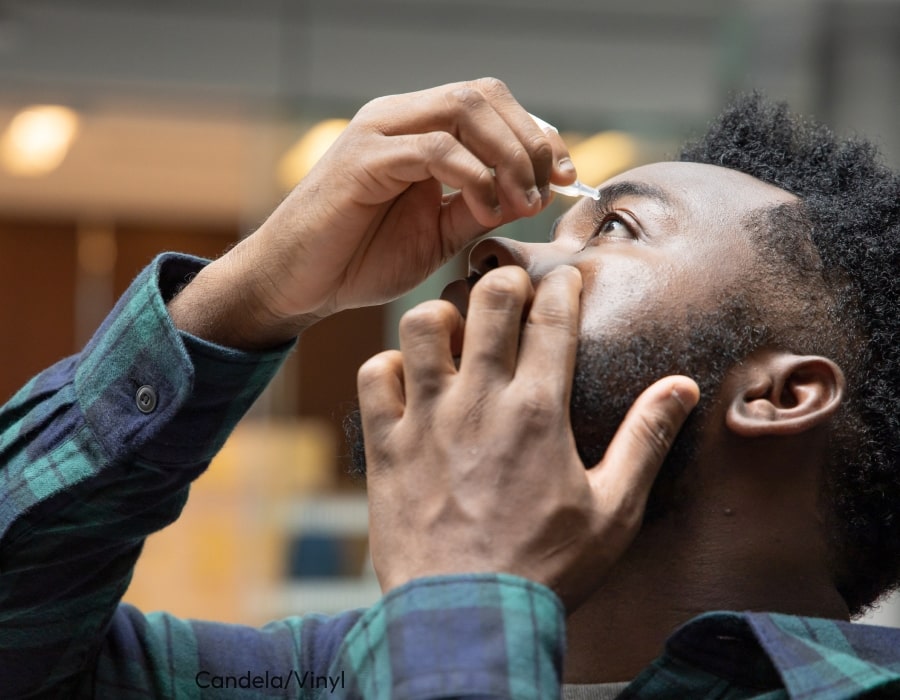
Though it may be uncomfortable, it’s important to keep your eyes wide open while flushing the bleach out of them. Use your fingers to hold your eyes open during the process if you need to.
It’s possible for bleach to continue penetrating your eyes for hours after they’ve been exposed. As an alkaline chemical, bleach can cause some of the worst chemical damage to the eyes. If no measures are immediately taken to flush it from the eyes, the bleach will damage nerves and tissues within the eye area and may lead to permanent vision loss.
The duration of your symptoms depends on several factors. Consider:

After you’ve flushed your eyes with water or saline solution for 15 to 30 minutes, it’s very important that you also seek emergency medical attention. Just be sure to rinse the bleach from your eyes before you go anywhere. Flushing your eyes is the top priority and should be done immediately after exposure.
When you see an eye doctor , they’ll test the pH level within your eyes to see whether the level has returned to normal. For reference, the natural pH level of the eyes is usually 7.0 to 7.3, and the pH level of bleach is between 11 and 13.
If the test shows the pH level of your eyes is still higher than it should be, the doctor will continue to flush your eyes until they return to a normal level. The amount of damage done by the bleach will determine the next steps for treatment.
Getting bleach in your eyes can be painful and scary. However, acting fast and following the recommended rinsing instructions can help minimize damage and reduce your risk of permanent vision loss.