




































How to Improve My Eyesight
January 31, 2025


Taking care of yourself goes a long way toward determining the length and quality of your life. And sure, eating right and staying active do wonders for your body, but what about your eyes?
Maintaining clear vision and healthy eyes will make a big difference in your daily life. Read on to learn whether eyesight can improve naturally and what you can do to support your eye health over time.
Yes, in some cases, eyesight can get better naturally.
For example, many young children have farsightedness (hyperopia) that can make their close-up vision blurry. This occurs when their eyeballs are shorter from front to back than average. As these children grow, it’s common for the length of their eyeballs to also grow, causing their farsightedness to improve or resolve on its own.
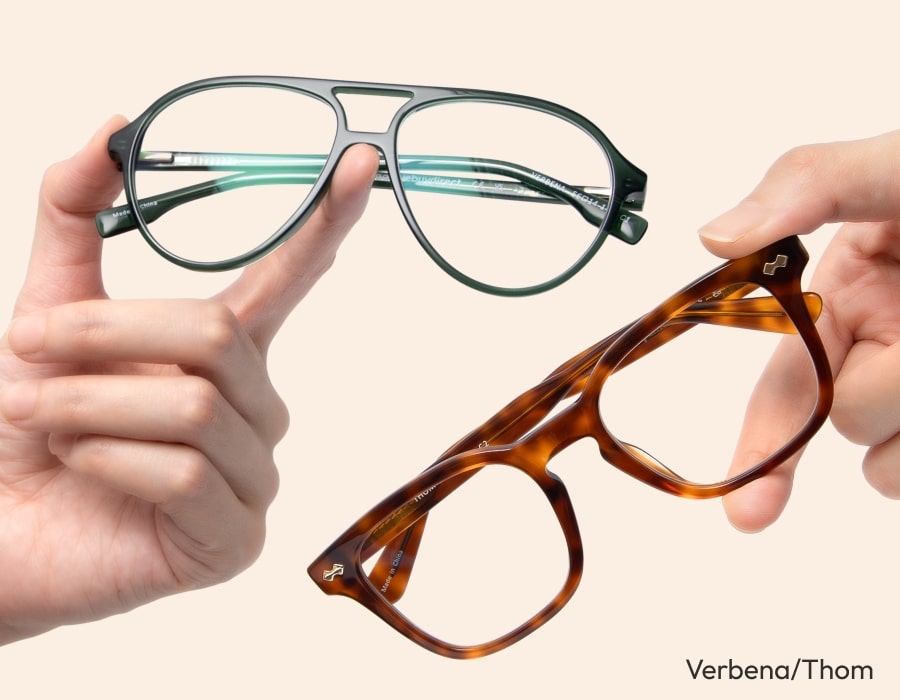
Eyesight can also improve with the help of prescription glasses and contact lenses. Both options provide temporary improvement by correcting different vision problems. Refractive surgery like LASIK can provide more long-term improvement, but people over 40 may still find they need reading glasses for close-up tasks.
If you want to go beyond glasses to support your eye health , there are several simple things you can do. Here are some tips:
Some people and programs encourage eye exercises, or “eye yoga,” to improve eyesight. However, there is no science to support its effectiveness in preventing, treating, or correcting vision problems.

Eating a balanced diet with certain vitamins can help enhance your eye health. Here are some eye-approved nutrients to shop for on your next grocery run:
Before adding new foods and vitamins to your diet, talk to your doctor to find out how they may be able to support your eye health. They can also help you set reasonable expectations in regard to any benefits the supplements may provide.
Eye exams are super important if you want to keep your eyes healthy. Even if you think your vision is fine, regular check-ups with an eye doctor can catch problems before they progress.
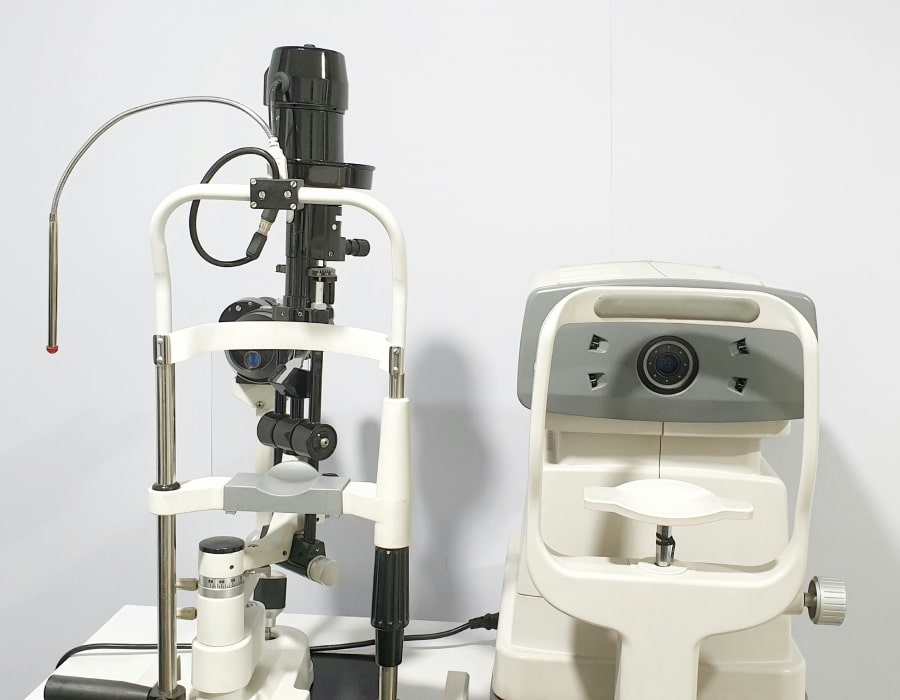
When you go for an eye exam, your doctor will conduct a series of tests to assess your eye health and visual acuity (how sharp your vision is). The acuity tests will ultimately determine your vision prescription.
Your eye doctor will use special instruments to check the health of your eyes, examining both the ocular surface and the structures inside your eyes. They look for signs of glaucoma, cataracts, macular degeneration, and other conditions, because the sooner they can catch these issues, the better the prognosis. Early detection, intervention, and treatment are some of the best ways to help stop or slow a condition’s progression.
For example, if the doctor determines you have glaucoma, they can start treatment to help keep it under control. Similarly, if they find signs of cataract(s), they can track them to see if (and when) surgery may be necessary. Your eye doctor may recommend more frequent eye exams (or in-home vision checks) to more closely monitor your eye health and check for potential disease progression.
The earliest signs of some medical conditions may appear first in the eyes. This means that, during an eye exam, an eye doctor may be first to discover a patient’s increased risk for or initial development of a systemic condition, such as:
The earlier your eye doctor notices any signs of disease (ocular or systemic), the sooner you can take action to help prevent further damage.
The best way to improve your eye health and maintain sharp vision is with regular eye exams. Your eye doctor can also suggest ways to naturally improve your eyesight and track the progress your healthy habits have on your vision.
Most people should get their eyes checked every one to two years. However, if you already wear glasses or have a family history of eye problems, you might need to go more often. Your eye doctor will let you know how frequently to schedule your appointments based on your individual needs.