


































Green Eyes: Facts About This Striking Eye Color
November 28, 2025


Studies show that green is the rarest eye color in the world. But did you know that people with green eyes are more sensitive to light, and may be more susceptible to sun damage?Here’sa look at this eye color and what (literally) makes it green.
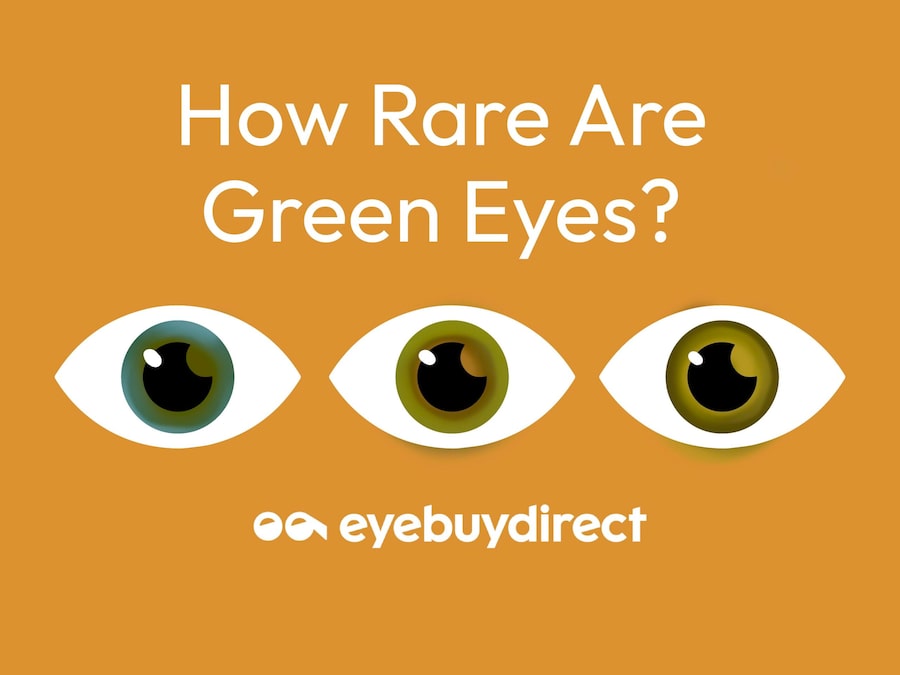
The striking green color is a result of a fascinating convergence of complex genetics and unique light dynamics within the iris. Unlike brown eyes, which are rich in dark pigment, green eyes have a much lower amount of melanin. This subtle difference, governed by many different genes, causes light to scatter across the iris in a way that reflects a distinct shade of green.
Eye color is determined by genetics, and genetics are … complicated. For example, it can be difficult to predict what color eyes a child will have because as many as 16 different genes help determine their hue.
While up to 16 genes influence eye color, scientists have specifically linked the OCA2 gene (a gene that influences melanin production) to the development of green and hazel eye colors. Green eyes have a small amount of the light reddish-yellow pigment, pheomelanin, which interacts with the scattered blue light to create the green hue in the iris.
Eye color specifically depends on the combination of melanin-related genes that you inherited from your parents. Melanin is a pigment in the eyes, skin, and hair that determines their color. The amount, location, and type of melanin in the eyes will ultimately determine whether you have green eyes.
The melanin, or pigment, found in the outer layer of the iris gives the eyes their color. A denser amount of melanin produces a darker eye color, while a lesser amount produces a lighter color.
There are actually two types of melanin in the eye: eumelanin and pheomelanin . The more eumelanin you have relative to pheomelanin, the darker your eyes appear.
Green eyes have more of the pheomelanin type of melanin compared to brown eyes. There is some melanin in the iris, so they are not totally blue, but they aren’t brown either.
Shades of green eyes can range from very light to very dark depending on the exact amount of pigment present. Some people may have more of a bluish-green tint to their irises, while others may have more of a yellow or brown tint.
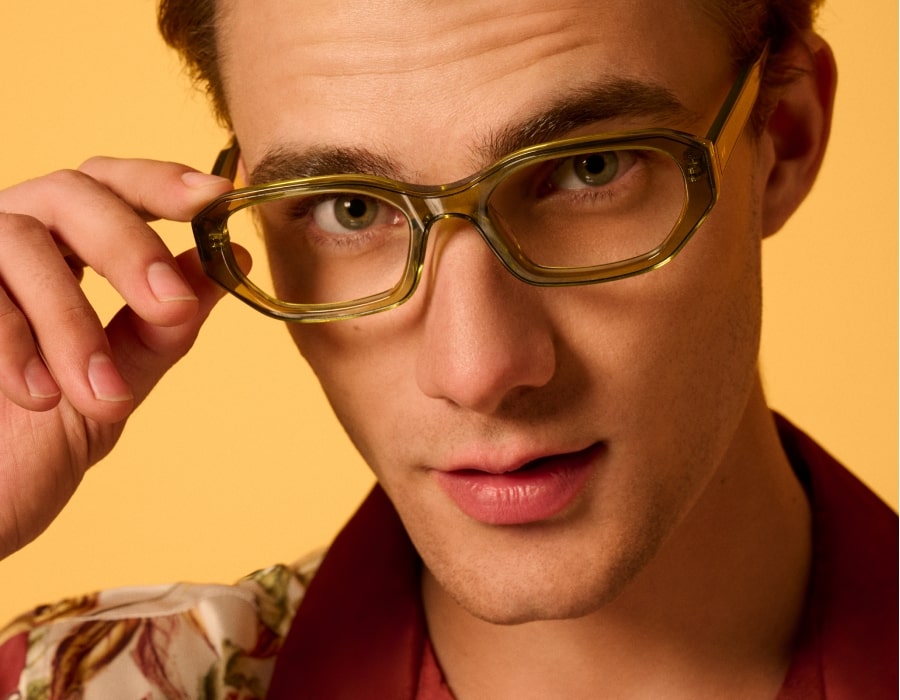
Both blue and green eyes are more unusual than brown eyes. But are they associated with one another? Well, sort of. They are similar because they both have less eumelanin and less melanin overall. Because of this, they share some characteristics and potential health risks.
Blue eyes don’t have any blue pigment in them. That’s right: They are not actually blue in color. The hue is there because these low-melanin-containing eyes scatter light, which reflects more blue light outward. Blue skies and water get their color the exact same way.
Green eyes have slightly more melanin in them, which interacts with blue light and creates a shade of green in the iris. The shade may even vary between bright and dark green depending on the lighting you’re in.
People with blue or green eyes tend to be more sensitive to light and have an increased likelihood of developing certain eye conditions (more on this later).
Although people often confuse green and hazel eyes , they have a key visual difference: true green eyes are generally a solid, singular color throughout the iris.
Some babies appear to be born with green eyes, but most are born with brown or blue eyes.
Over the first few months of life, eye pigment continues to develop in a child’s eyes, and it can develop through early childhood as well. Just like the skin, eyes can produce more melanin and darken slightly when exposed to light.
In some cases, your child’s eye color may not fully present itself until they are between 1 year and 3 years old. This makes it challenging to understand what they will eventually look like: Will they have lighter green eyes or darker green eyes? Rest assured, color changes that may occur are usually normal and nothing to worry about.

Yes, green eyes are considered to be the rarest eye color in the world when compared to the number of people with blue, brown, and hazel eyes. It has been studied both in the United States and internationally.
A 2014 survey conducted by the American Academy of Ophthalmology determined that green is the rarest eye color in America . The survey found that only 9% of Americans have green eyes.
According to WorldAtlas, only 2% of the world’s population have green eyes. This makes the color even rarer on a global scale. Globally, green eyes are most found in Northern Europe, with high concentrations in countries like Ireland and Scotland.
It’s important to note that the 2% figure refers to the “standard” eye colors (brown, blue, hazel, green). Eye colors associated with conditions like albinism, which can sometimes result in red or violet eyes, occur in less than 1% of the world’s population, and may be considered even rarer than green.
Green eyes have some melanin, but the relative lack of pigment affects how the iris and retina are protected against harmful UV rays. This is because melanin provides a protective layer against sunlight. A lower level of melanin in the eyes also makes them more sensitive to light in general.
Research has shown that those with darker eyes (such as brown) have a higher risk of developing cataracts, but a lower chance of developing eye cancer.
People with lighter eyes (such as green or blue) may be more likely to develop uveal melanoma, a rare type of eye cancer.
Regardless of your eye color, it’s important to wear sunglasses with maximum UV protection to block harmful rays. This is even more critical if you have green or light-colored eyes.
Since green eyes can be more sensitive to light and more susceptible to UV damage, it’s crucial to protect them from the sun. To help keep your eyes safe, always wear sunglasses with 100% UV protection when you go outside during the day.
If it’s been more than a year since your last eye exam, schedule an appointment with your eye doctor. They’ll check the health of your eyes and the sharpness of your vision. If you get a new vision prescription, we have plenty of new eyeglasses and prescription sunglasses to choose from!