


































How Do Glasses Work?
July 17, 2025


Seeing clearlyisn’tsomething we often think about—until our vision starts to blur. Glasses play a vital role in restoring that clarity, using carefully crafted lenses to support everyday tasks like reading, driving, or working at a screen.Here’show they help bring life back into focus.

Glasses offer more than just a stylish appearance; theyutilizescience to improve vision. The concept behind this is refraction. Refraction occurs when light bends as it passes through various materials. Glasses correct vision by changing how light travels. The lens refracts light, which alters its speed and direction. This adjustment makes sure light shines directly on the retina, which is the eye’s sensitive partforlight.
When lightfails tohit the retina directly, it results in blurry vision . Glasses resolve this by bending the light appropriately, allowing it to focus exactly where needed for clear sight. By redirecting the path of incoming light, glasses help the eye form a sharper image, improving both comfort and daily functioning.
By understanding the different lenses available, you can better choose the right one for you. Various lenses address different vision problems:
Glasses rely on refraction, making them more than a stylish accessory. They boost vision and improve life quality.
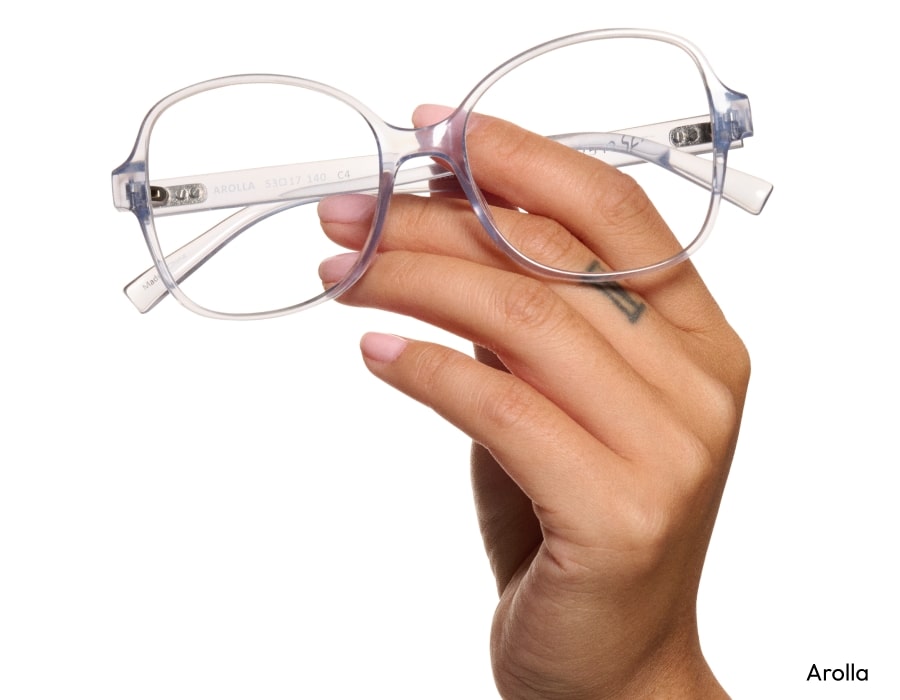
Vision issues arise when the eye cannot focus light on the retina, resulting in blurred vision. These problems can affect anyone, with four main types: nearsightedness, farsightedness, astigmatism, and presbyopia. Eachrequiresdifferent solutions, often through glasses.With the rightoption,you can improve your overall vision and quality of life.
In nearsightedness, close objects appear clear,but distant onesdon’t. This happens when the eyeball is toolong , or the corneaistoo curved. Glasses with concave lenses adjust the focus back to the retina, clarifying distant objects.
Farsightedness is the opposite of nearsightedness. It makes nearby objects look blurry. This happens because of a shorteyeballor a flat cornea. Convex lenses in glasses move the focus onto the retina, sharpening the view of nearby objects.
Astigmatism causes blurry vision at all distances because of an unevencorneaor lens. Glasses featuring cylindrical lenses balancelight,sothatit focuses correctly on the retina, improving clarity.
Presbyopia affects adults 40 and older. It makes it hard to focus on close objects. This happens because the eye’s lens loses flexibility as we age. Here are some glasses options that can help correct age-related vision issues:
By understanding these vision issues and how glasses correct them, you can choose the right pair for your needs. Whether you’re dealing with nearsightedness, farsightedness, astigmatism, or presbyopia, the appropriate glasses can enhance your vision and life.
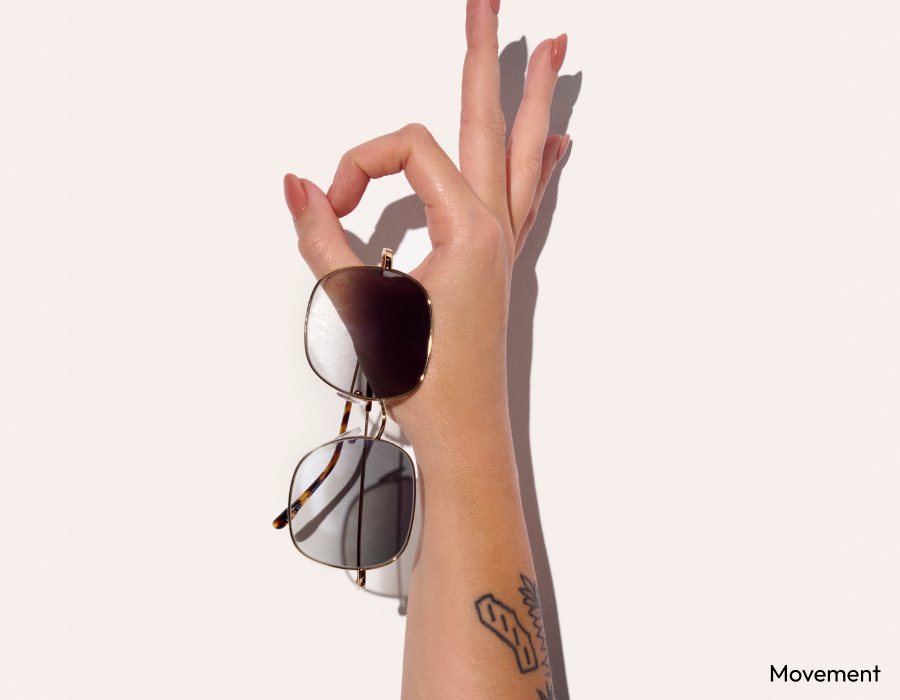
Choosing the right glasses is about more than just style. It’s important to know about the different materials for lenses. Here’s a simple guide:
The right lenses are important for your vision, and regular eye exams are just as crucial. They check that your prescription is correct, so you can see better and feel comfortable.
Glasses do more than improve how you see. They can also reduce eye strain during daily activities. Whether you’re reading small text, using a computer, or navigating busy streets, clear vision makes these tasks easier and safer.
As your eyes change over time, so should your eyewear. That’s why it’s helpful to keep your glasses updated. Even small changes in your prescription can make a big difference. Staying on top of regular checkups helps you maintain good vision and avoid unnecessary discomfort or strain.
Consult with an eye doctor to receive personalized advice on lenses tailored to your lifestyle and vision needs. Whether for reading, driving, or screen use, a doctor can guide you in selecting the best lenses.