



























20/100 Vision Explained: Insights and Solutions
June 26, 2025


Seeing clearlyshouldn’tbe a struggle. Ifyou’vebeen told you have 20/100 vision,you’renot alone. This level of visual acuity affects how you experience the world. Learning what it means and how to treat it is the first step toward sharper, more confident sight.
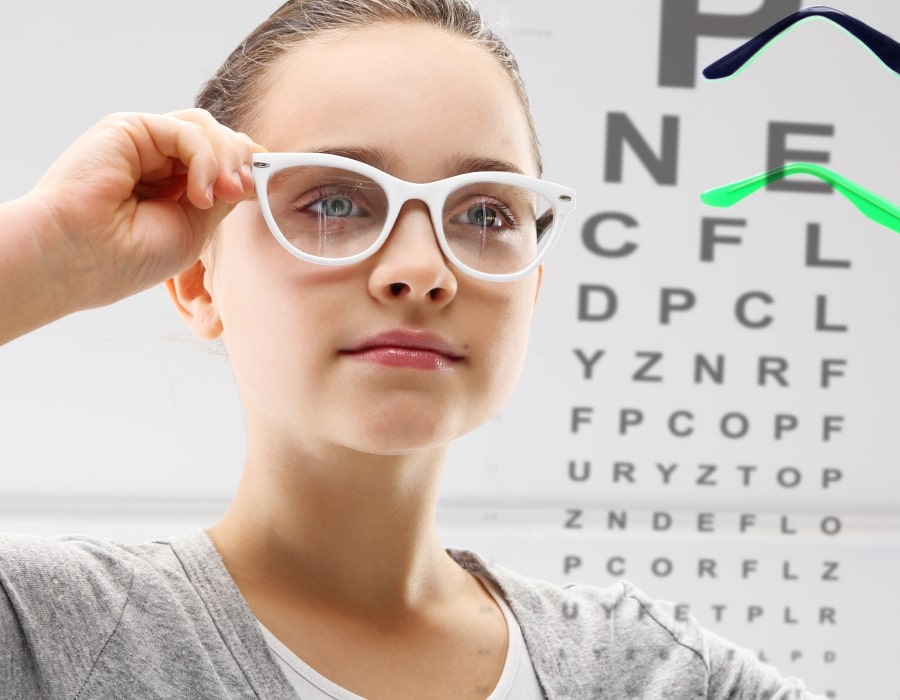
Visual acuity defines how clear or sharp your vision is. This clarity is often assessed with a Snellen chart, which displays rows of letters decreasing in size. If you have 20/100 vision, you can see at 20 feet what an individual with standard vision sees at 100 feet. This measurement aids eye doctors in determining your visual capability and whether you need corrective eyewear like glasses or contacts.
Living with 20/100 vision can impact your daily life. You might struggle to read street signs or recognize distant faces. This level of vision is considered impaired, yet it doesn’t hinder leading a full life. Many people with 20/100 vision use glasses or contact lenses to improve their sight, making daily activities simpler and boosting confidence.
For those with 20/100 vision, using corrective lenses for safe driving is often necessary. Clear vision is crucial for driving. Regular eye exams are important to assess your eyesight and update your glasses or contacts as needed. Understanding your vision enables you to take charge of your eye health.
Understanding the reasons behind 20/100 vision helps in managing and potentially improving it. Common causes include myopia, hyperopia, and astigmatism, all of which influence how light reaches the retina, leading to blurry vision.
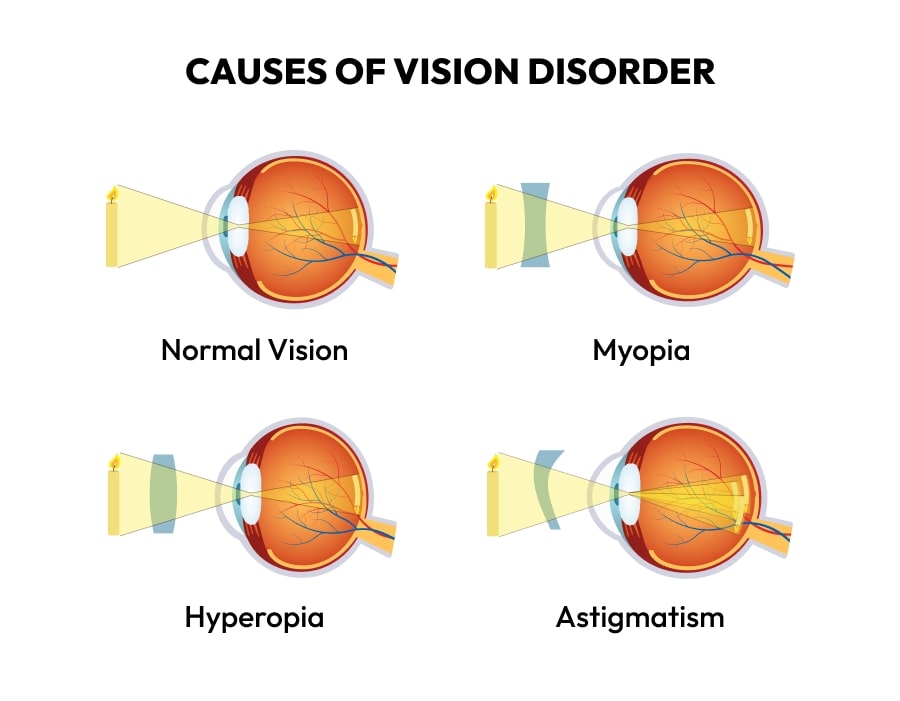
Myopia makes distant objects appear blurry while nearby onesremainclear. It results from an overly long eyeball or an excessively curved cornea, causing light to focus in front of the retina. Those with myopia may struggle with tasks like driving or watching TV. While it often causes 20/100 vision, myopia can be corrected with glasses or contact lenses.
Hyperopia is the opposite of myopia. Individuals see distant objects clearly but have difficulty with nearbyobjects. This occurs when the eyeball is too short or the cornea is too flat, causing light to focus behind the retina. Though less likely to result in 20/100 vision, untreated hyperopia still affects eyesight. Glasses or contacts can help refocus light onto the retina.
Astigmatism causes blurred vision at all distances due to an irregularly shaped cornea or lens, leading light to scatter and focus at various points on the retina. It can coexist with myopia, hyperopia, or worsening vision. Special lenses can correct astigmatism by accommodating the eye’s irregular shape.
Recognizing these conditions is essential for managing 20/100 vision. Regular eye exams help detect these issues early and identify suitable solutions. At Eyebuydirect, we offer eyeglasses solutions to help you see clearly and confidently.

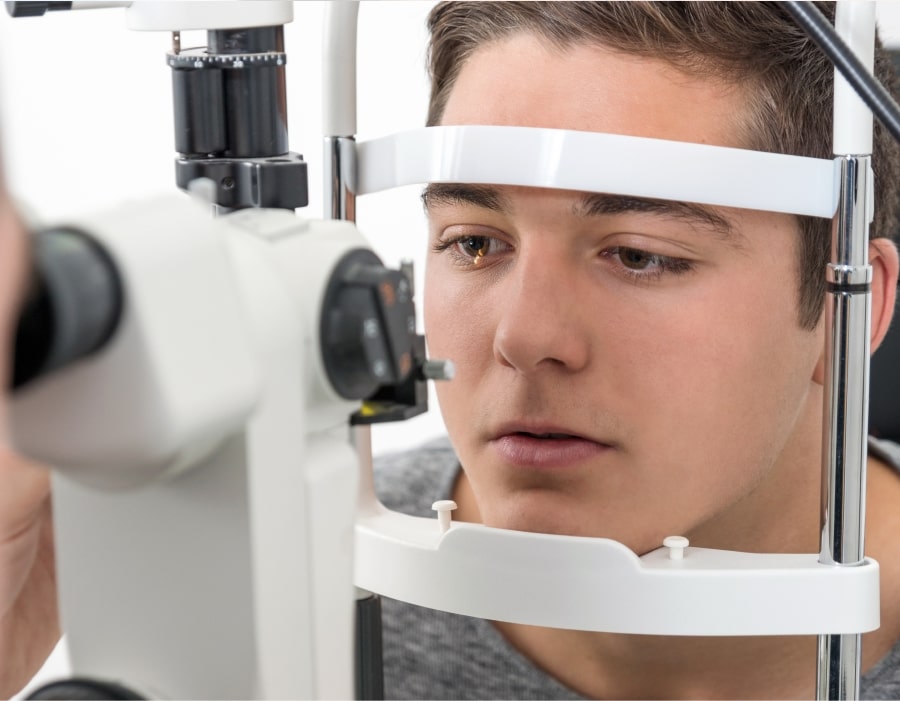
Todetermineif you have 20/100 vision, start with a comprehensive eye exam conducted by an optometrist, a professional specializing in eye care. They evaluate your visual acuity and check for any eye conditions.
Optometristsidentifyvision issuesand canprescribe glasses or contact lenses. During the exam, they assess your vision at various distances and screen for eye diseases. If you have 20/100 vision, it means you can see at 20 feet what a person with normal vision can discern at 100 feet.
Eye charts, particularly the Snellen chart with rows of letters, are crucial for assessing vision. You’ll read these letters from a fixed distance to demonstrate your visual clarity.
Optometrists also use tools like retinoscopes to identify vision errors and phoropters to determine your glasses or contact lens prescription. These tools help you ascertain what your eyes require.
Regular eye exams are essential, particularly if you observe changes in your vision. They help identify problems like 20/100 vision early.
Several treatment options are available to help correct 20/100 vision, depending on your lifestyleand personal vision needs.
For those with 20/100 vision, corrective lenses like eyeglasses and contact lenses are typically the first treatment option. They assist in properly focusing light on your retina, enhancing your vision and simplifying daily tasks.
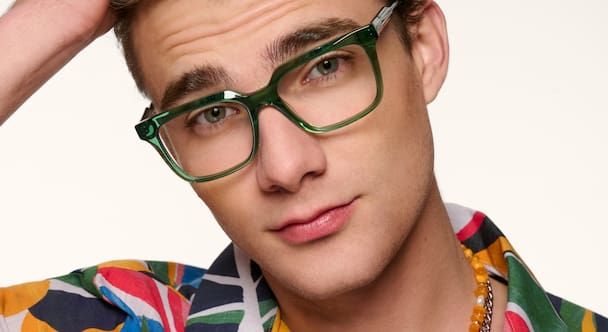
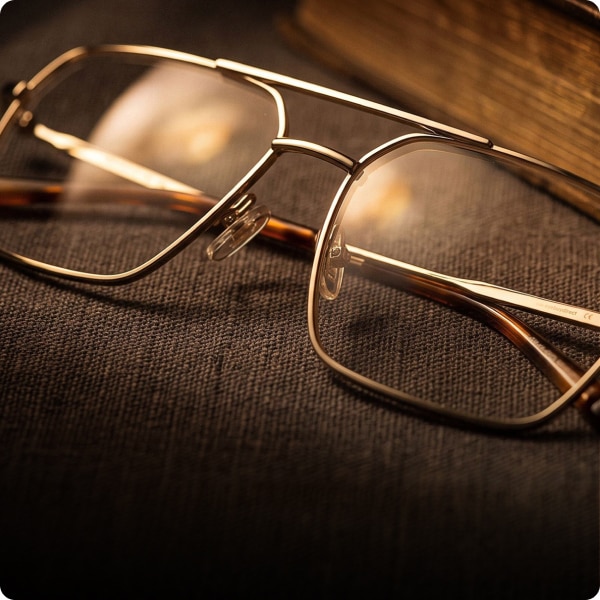
Eyeglasses are popular due to their ease of use and variety in styles, allowing you to express personal style while improving vision.
Contact lenses are an option for those who prefer not to wear glasses. They provide a broader field of view and suit active individuals. Options include daily or extended wear types to suit your lifestyle.
For a long-term solution, consider surgeries like LASIK. LASIK reshapes the cornea to properly focus light on your retina, potentially reducing or eliminating the need for glasses or contacts.
Other surgeries, like PRK and LASEK, work similarly to LASIK but may be more suitable for certain eye conditions. These quick surgeries generally have high success rates. It’s crucial to consult with an eye doctor to determine the best option for you.
Whether you choose corrective lenses or surgery, effective treatments exist for 20/100 vision. Consult an eye care professional to find the best fit for your lifestyle and needs.
Living with 20/100 vision can present challenges, but there are methods to adapt and lead a fulfilling life. Individuals with this vision often face difficulties with tasks like reading street signs or recognizing distant faces. Many rely on glasses or contact lenses to improve their sight and navigate safely.
Here are a few areas that can be affected by or used to help those living with 20/100 vision:
Although 20/100 vision poses challenges, the right tools and strategies empower people to lead active, independent lives confidently.
Here are answers tocommon questionsabout 20/100 vision, eye exams, andmaintainingeye health:
While 20/100 visionisn’tthe most severe impairment, it requires correction. It might complicate tasks such asdriving ormovie watching. Glasses or contact lenses can help you continue living a normal, active life.
It is advisable to have an eye exam at least every two years. If you experience vision problems or have a family history of eye issues, more frequent check-ups might be necessary. Regular examsmaintainsharp vision and up-to-date prescriptions.
While some vision changes occur with age,maintaininga healthy lifestyle can help. Eating well, wearing sunglasses with UV protection, and taking breaks from screens support good eye health.
Maintaining eye health is crucial for everyone, particularly if you have20/100 vision. By following a few simple steps, you can prevent further issues and keep your eyes healthy. Here are some straightforward strategies:
Regular check-ups are vital. They help detect vision changes early. An eye doctor can evaluate your eyes for sharpness, diseases, and other issues. Catching these problems early can prevent them from worsening.
Your lifestyle significantlyimpactsyour eye health. Maintain a balanced diet rich in vitamins and minerals. Regular exercise and adequate hydration also contribute positively. Foods high in omega-3s, lutein, zinc, and vitamins C and E can protect against age-related vision issues. Exercise boosts blood flow, which is beneficial for youreyes.
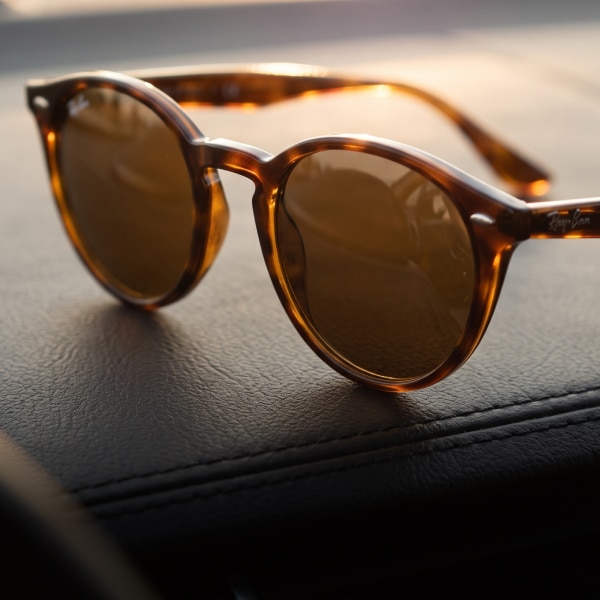
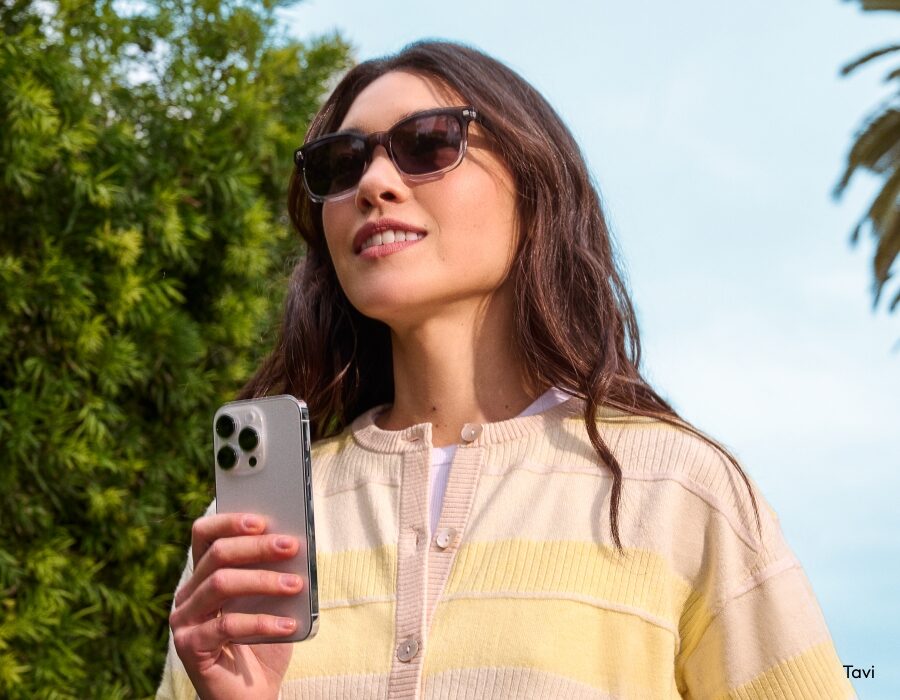
To prevent UV damage, wear sunglasses that block 100% of UVA and UVB rays. Additionally, use safety goggles during activities like sports or home repairs.
Excessive screen time is common today and can strain your eyes. To mitigate this, follow the 20-20-20 rule: every 20 minutes, focus on something 20 feet away for at least 20 seconds. This practice can alleviate eye strain.
Stay informed about eye health to make informed choices. Understanding conditions like astigmatism can aid in preserving eye health. Educating yourself about eye care empowers your vision decisions.
By adopting these simple strategies, you can maintain good eye health and prevent future problems. Caring for your eyes is essential for your overall well-being.