




































How to Get Something Out of Your Eye
July 15, 2024


There may come a time when you need to know how to get an eyelash out of your eye, or how to remove sand or dirt particles. How to get stuff out of your eye depends on where it is, how it may have gotten there, and how easy it is to access.
Getting something stuck in your eye is never a pleasant experience, but it can happen to anyone. While certain objects are fairly easy to remove or flush out, some items should only be removed by an eye doctor or health care professional.

A number of things can get stuck in your eye. Some are more common than others, but each should be carefully handled either at home or with the help of a doctor.
Here are some objects you might encounter in your eye for one reason or another:
More serious things can get stuck in your eye, too. You should seek medical attention if youencounterthe following:
Chemicals may splash into your eye if you don’t use eye protection during certain activities. Plastic or metal shards can get stuck in your eye if they are thrown about during yardwork or other jobs.
Glass pieces can get in your eye if you break a dish or other glass container, or if you’re in an accident. In many cases, these types of objects can enter your eye at high speed and cause damage on impact.
If you get one of these more serious objects in your eye, it’s critical that you get emergency care. Do not try to remove them yourself — you could cause even more damage without meaning to.
Note: Many things can get stuck or lodged in your eye, and we may not have them all listed here. Use your best judgment when deciding whether you shouldattemptto remove something at home or seek professional help. Ifyou’renot sure if something is safe to remove,it’sbetter to have a doctor check it.
Dust, sand, makeup, and other types of debris can typically be flushed out of your eye with clean water, sterile eye wash, or saline solution. This helps to ensure that each little particle is removed. It’s usually possible to rinse away eyelashes, small hairs, and lint as well.
Shampoo, soap, and mild liquid irritants should also be flushed out of your eye immediately. Some products have directions on the label that you can refer to if you need to flush your eye. If not, there are some general steps to follow when it comes to rinsing your eye(s).
Whether you’ve encountered dirt, hair, or soap in your eye, here’s how to wash out your eye(s) using water from a shower or sink:
Keep this process as gentle as possible so it doesn’t cause any additional damage or irritation. Be sure not to look directly into the faucet or showerhead and let the water naturally flow over and into your eyes.
If you don’t have access to a sink or shower, the same process can be completed by gently pouring a pitcher of warm water over your eyes. You can also use sterile eye wash or saline solution to flush your eyes instead of running them under clean water — just avoid any medicated solutions.
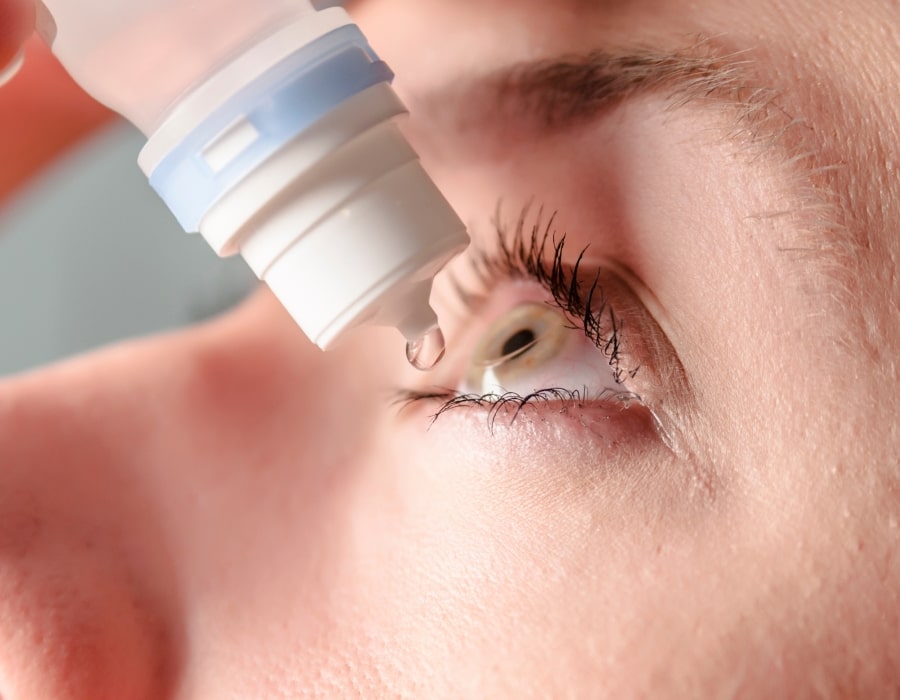
Flushing your eye with water or eye wash is common practice, but you can also get an object out without flushing your eye in some cases. A cotton swab, artificial tears, or your natural tears may be helpful in these situations.
If you have sleep in your eye or dried discharge from an infection, try using a warm compress to loosen it up.
Sometimes, tears are all you need to get something out of your eye. Blink repeatedly to form tears, or apply artificial tears. The added moisture should help move an object out of your eye.
You may be able to remove something small and non-hazardous from your eye using a cotton swab or the edge of a clean cloth. Never rub your eye or force an object out though, as this can make matters worse.
Before touching your face or eyes, always wash your hands thoroughly with soap and water and dry them with a clean, lint-free towel. Then remove your contacts if you’re wearing them.
For visible objects in the corner of your eye:
For objects under your upper eyelid:
For objects under your lower eyelid:
It’s best to use a mirror in a bathroom or other well-lit room. You can also find bright, natural lighting and hold up a handheld mirror during the removal process.
Whatever you encounter, it’s important to remain calm and careful. Sometimes an object may be quick and easy to take out, and sometimes you may need medical attention. If you have any concerns about the safety of removing an object, or feel like you need help, contact your eye doctor immediately.
Contact lenses should be carefully taken out before attempting to remove an object or chemical substance from your eye. Remember to wash your hands thoroughly before taking your contacts out.
Take a look at your lenses once you’ve removed them. There could be a tear in the lens that caused the irritation in the first place. Sometimes this irritation can feel as though there is a foreign body in your eye. It’s also possible that a foreign body got trapped under a lens.
To avoid further contamination, throw out any lenses that may have come in contact with the chemicals that were flushed. But before you start using new contacts, it’s a good idea to wear your glasses for a while instead to rest your eyes and prevent further irritation.

Removing somethingthat’sstuck in your eye can be a tricky process. Ifyou’renot careful, you can do more harm than good. While the discomfort may tempt you to rub your eyes,don’tdo it! Eye rubbing may further embed the object, worsen the damage, or lead to an infection or corneal abrasion.
To avoid causing harm, remember the following when trying to remove something from your eye:
If you’re struggling in any way, call your eye doctor and make an appointment.
The short answer: Seek help from your doctor.
Eyes are very sensitive after any type of eye surgery — especially laser surgery like LASIK. It’s crucial that you don’t touch or rub your eyes after any procedure because your hands can transfer bacteria and other particles to your eyes. This can then disturb and prolong the healing process.
You will be given a shield to wear over your eyes after your LASIK procedure. This shield is designed to protect your eyes from germs and other particles, and prevent you from touching them by accident.
Now, if something gets behind the shield and winds up in your eye after LASIK, it’s best to see your doctor for assistance. If you try to remove something yourself, it can cause damage to your eyes when they’re extremely vulnerable. Your eye doctor can remove the foreign object and carefully examine your eyes to make sure they’re clean and healing properly.

The only items that should be making contact with your eyes after surgery are medications, including prescription steroid and antibiotic eye drops . Your doctor orders these to prevent infection and inflammation while you recover. Your doctor may also recommend special eye drops that lubricate your eyes in case of dryness.
Post-surgery symptoms may include discomfort, itching, burning, dryness, and more. These irritating feelings can make it tempting to rub or scratch your eyes, but for best results and damage prevention, you should follow the recovery guidelines your doctor provides.
It can be hard to avoid getting an object or small particle stuck in your eye. On many occasions, something falling into your eye happens unexpectedly. But there are precautions you can take in certain situations.
The best way to prevent foreign objects from entering your eyes is to take the following safety measures:
Also, make sure any products you use in or near your eyes are not expired , including:
Expired products can cause pain or burning if they get in your eyes , and may also lead to an infection.
Another tip? Wear glasses instead of contact lenses for a while after removing something from your eye. This gives your eye time to recover, especially if you have lingering discomfort or redness after the object is removed.
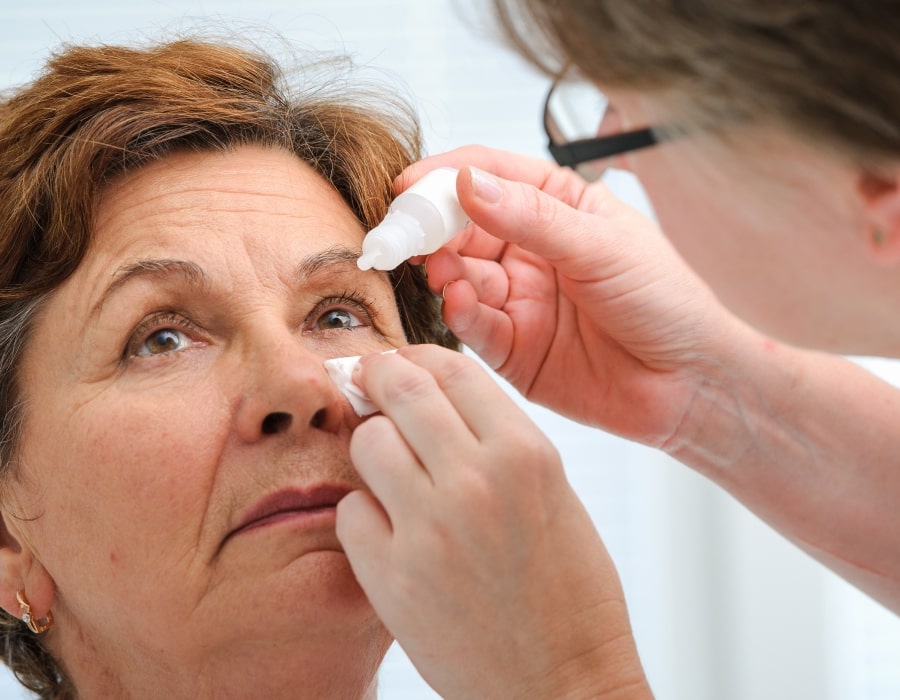
It’s important to know the steps to remove a particle or object from your eye safely. But it’s also crucial to understand when not to remove something from your eye.
There’s a big difference between rinsing some dirt from your eye at home and needing emergency medical attention to remove something like glass or metal!
See an eye doctor — and do not attempt to remove something from your eye — if you experience any of the following:
If you think you need medical attention, make an appointment to be seen as soon as possible. Your eye doctor has the training, equipment, andexpertiseto:
When in doubt, contact your eye doctor. Remember thatit’sokay to call before or after youattemptto remove anypeskyparticles.It’salways better to be safe than sorry — and having a foreign object in your eye is no exception.