







































Understanding Eye Drop Cap Colors: What Do They Mean?
April 3, 2025


Reviewed by Sonia Kelley, OD, MS on January 7, 2025
Many eye conditions are treated with eye drops, including uveitis, glaucoma, eye allergies, dry eyes, and more. Because these conditions affect your eyes and vision in different ways, they require different types of medication for proper treatment.
This makes quick identification of (and differentiation between) eye drop types especially important. And that’s where eye drop cap colors come in.
Follow our guide below to learn more about eye drop cap colors, what they mean, and how they can help you keep your medication organized.

Eye drop caps are categorized by color for several important reasons:
The color coding system is simple and effective at promoting medication use and preventing errors. Still, it’s important to always double-check medications by reading the label and asking a health care professional if you’re unsure.
Severaleyedrop cap colors are used toidentify different typesof medication. Some of the most common include:
Topical anesthetic eye drops — such as proparacaine — are coded with a white cap. Before procedures, tests, or surgery, they are used to:
Some pharmacies’ generic drops also have white caps, and many over-the-counter (OTC) eye drops have a white cap. OTC white-cap eye drops are often used to relieve a variety of symptoms, such as:
Note: OTC drops do not adhere to the color-coding system for prescription eye drops. Some brands may produce similar products that don’t always have a white cap. OTC eye drop cap colors don’t always align with the official eye drop color chart.
Some glaucoma eye drops can have different cap colors depending on how they work and their drug class. The following types may come in a bottle with a white cap:
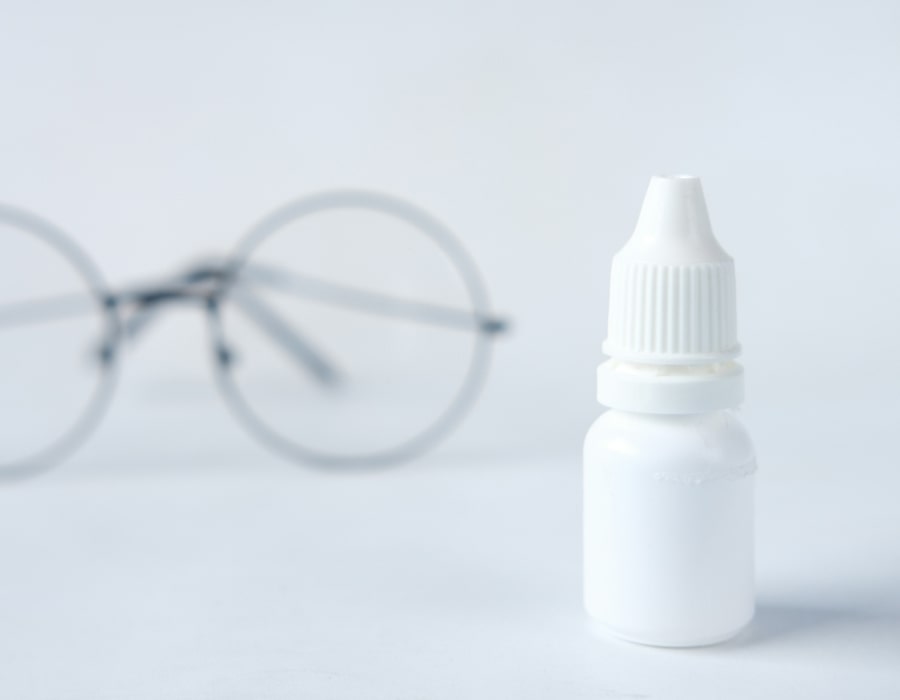
Anti-infective (antimicrobial) eye drops are coded with a tan cap. They are used to prevent and treat infections, primarily due to bacteria. Tan-cap eye drops are sometimes given before, during, or after a procedure to prevent eye infection.
They may also be used to treat conditions such as:
The anti-infective category includes eye drops such as levofloxacin, azithromycin, and moxifloxacin.

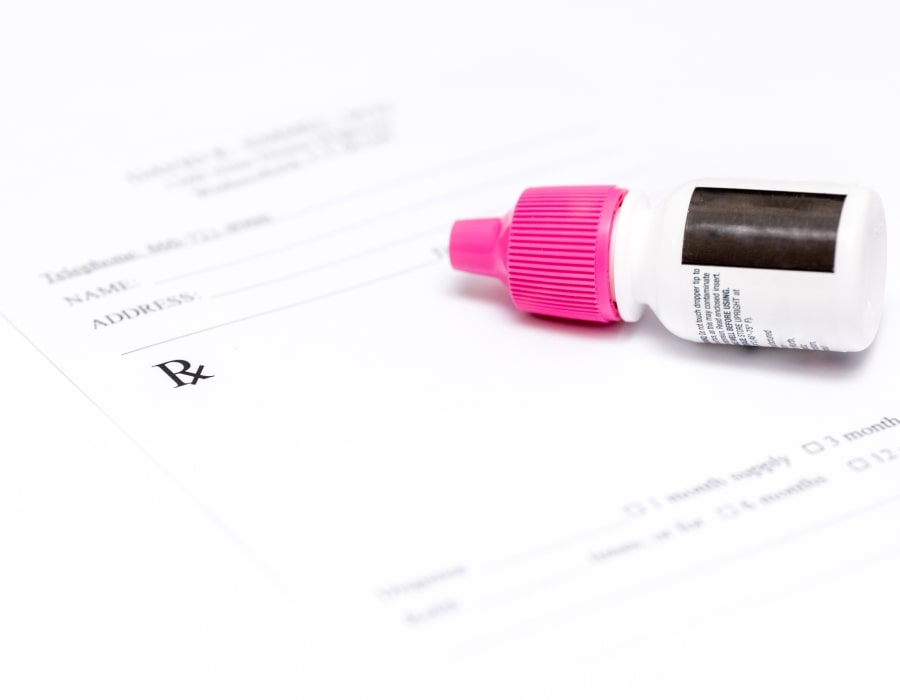
Steroidal anti-inflammatory eye drops are coded with a pink cap. They are used to reduce inflammation caused by certain eye conditions and infections.
Your doctor may prescribe pink-cap eye drops to relieve swelling from:
Examples include dexamethasone sodium phosphate and prednisolone acetate.
Non-steroidal anti-inflammatory drug (NSAID) eye drops are coded with a gray cap. They help relieve eye pain and inflammation.
Gray-cap eye drops may be used to treat:
Examples of NSAID eye drops include ketorolac and nepafenac.
An example of an anti-inflammatory immunomodulator eye drop is Restasis, a cyclosporine ophthalmic emulsion. Theseolive green-cap eye drops areused to increase tear production in people with chronic dryeye, especially when their tear production is thought to be reduced due to inflammation.
Miotic eye drops are used to constrict the pupil (make it smaller). They are coded with a dark green cap. A common example of miotic eye drops is a medication called pilocarpine.
Dark green-cap eye drops may sometimes be used to:
Miotics were more commonly used in the past to reduce eye pressure in patients with glaucoma, but newer treatment options are now typically preferred.
Purple eye drop caps indicate adrenergic eye drops, such as brimonidine and dipivefrin HCI. Light green eye drop caps indicate adrenergic agonist combination eye drops, like brinzolamide-brimonidine.
Both types of medication can be used to treat elevated eye pressure.
Prostaglandin analogue (PGA) eye drops are one of the primary treatments for managing open-angle glaucoma. They reduce eye pressure by increasing the eye’s drainage of fluid.
PGA eye drops are coded with a turquoise cap and are sometimes used alongside another glaucoma medication. Some examples of PGAs include travoprost, bimatoprost, and latanoprost.
A dark blue or yellow cap on a bottle of eye drops indicates beta-blockers or beta-blocker combinations. Yellow-cap eye drops contain beta blockers and dark blue-cap eye drops contain beta blockers combined with another medication. Beta-blockers reduce eye pressure by lowering the level of fluid produced by the eyes.
Ophthalmic medications with a dark blue or yellow eye drop cap are commonly used to treat:
Examples of beta-blockers (yellow cap) include betaxolol and timolol. An example of a beta blocker combination (dark blue cap) is brimonidine-timolol.
Carbonic anhydrase inhibitors are coded with an orange cap. They lower eye pressure in glaucoma patients by reducing the production of aqueous humor (fluid) in the eye. They are not commonly prescribed as a single therapy, but may be combined with other drops, particularly beta-blockers, to treat primary open-angle glaucoma or ocular hypertension.
Examples of carbonic anhydrase inhibitors include dorzolamide and brinzolamide. Dorzolamide/timolol (Cosopt) is an example of a carbonic anhydrase inhibitor eye drop combined with a beta-blocker, but it has a dark blue cap or white cap rather than an orange cap.
Cycloplegic and mydriatic eye drops are coded with a red cap. Mydriatics are commonly used to dilate the pupils so your doctor can get a better look at the structures in the back of your eye. Cycloplegics dilate the pupil and also relax the focusing muscles of the eye.
Red-cap eye drops are also used to relieve:
Examples of cycloplegic and mydriatic eye drops include atropine, cyclopentolate, tropicamide, homatropine, and scopolamine. Some research suggests that atropine may slow myopia progression in children when given in small doses.
Just as you would with other medications, you should follow your doctor’s instructions on how to put in eye drops . Handling or storing eye drops incorrectly or administering the wrong dosage can make them less effective for your condition.
Follow these guidelines to ensure you use your eye drops safely:
If you have any questions about your eye drops or if you experience any unexpected or prolonged side effects, contact your eye doctor for assistance.
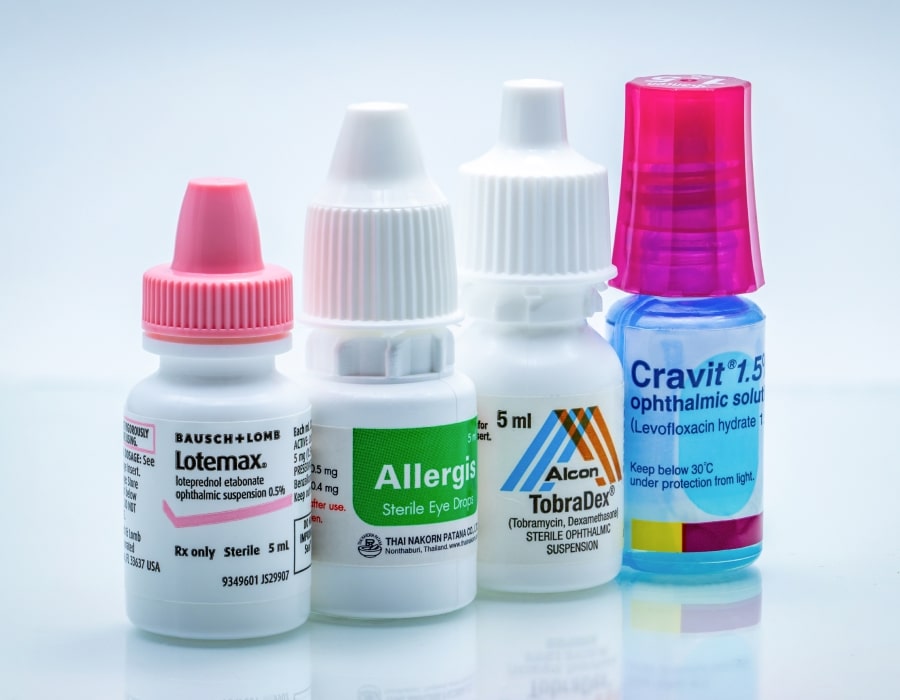
The ability to quickly identify your eye drops by looking at the color of the cap can help you save time and avoid medication mix-ups.
While color-coded caps are very helpful, it’s always a good idea to double-check the label to make sure you’re using the correct eye drops.
Don’t hesitate to contact your eye doctor if you have any questions about your eye health or medications. They’ll make sure you’re using your drops correctly and that the medication has the desired effect.