










































Amber Eyes: Facts About This Rare Gold Eye Color
November 12, 2025


The color amber is one of the world’s most unique and rarest eye colors.Amber eyes are like little drops of liquid gold. Warm, glowing, and completely mesmerizing. Unlike most eye colors that mix a few shades, amber eyes are known for their single, solid hue that radiates across the entire iris. This golden tone comes fromhigh levelsof areddish-yellowpigment called pheomelanin. Often nicknamed “wolf eyes” for their wild, magneticglow,amber eyes are truly one of nature’s most dazzling sights.
Have you ever seen someone with amber-colored eyes? Chances are the answer is no.
Amber eyes are very rare. Researchers haven’t conducted many large, population-level studies of eye-color prevalence, so exact figures are hard to pin down and can vary by region. That’s why most estimates are directional, not definitive. However, many sources estimate that 5% of the world’s population has amber eyes, making it No. 3 on the list of rarest eye colors. The rarest eye color is green, and gray eyes are the second-rarest color.
And here’s a fun twist: amber eyes are far more common in animals than in people. Wolves, cats, owls, eagles, dogs, even certain fish share this same golden shimmer — which is exactly why they’re sometimes called “wolf eyes.”
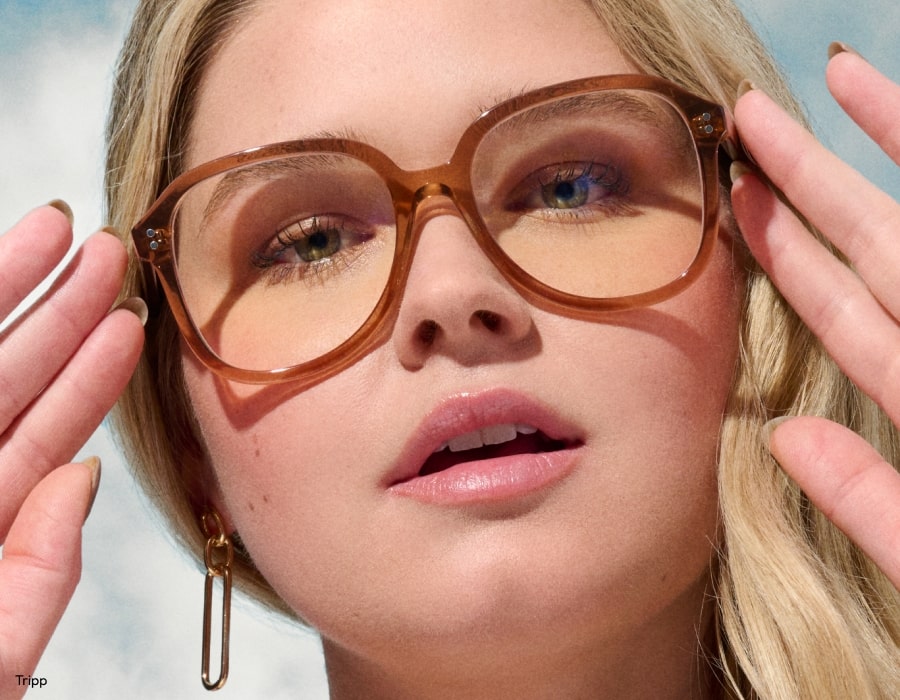
As with all eye colors, amber-colored eyes are mostly determined by genetics and melanin.
Scientists previously believed that only one gene determined eye color, so if your parents both have brown eyes, you would too. In the past several years though, research has found there are actually up to 16 genes that influence eye color. That’s why it’s possible for parents with blue eyes to have a child with green eyes.
Melanin is the pigment that colors your eyes, skin, and hair. The amount of melanin you have is passed down from your parents.
There are two types of melanin involved in determining the color of your eyes:
Amber eyes happen when pheomelanin (yellow-red) outweighs eumelanin (black-brown), lighting up the iris with golden, copper, or honey tones.They’remost often seen in regions like Pakistan, southern France, the Balkans, Italy, Hungary, Spain, and Portugal.
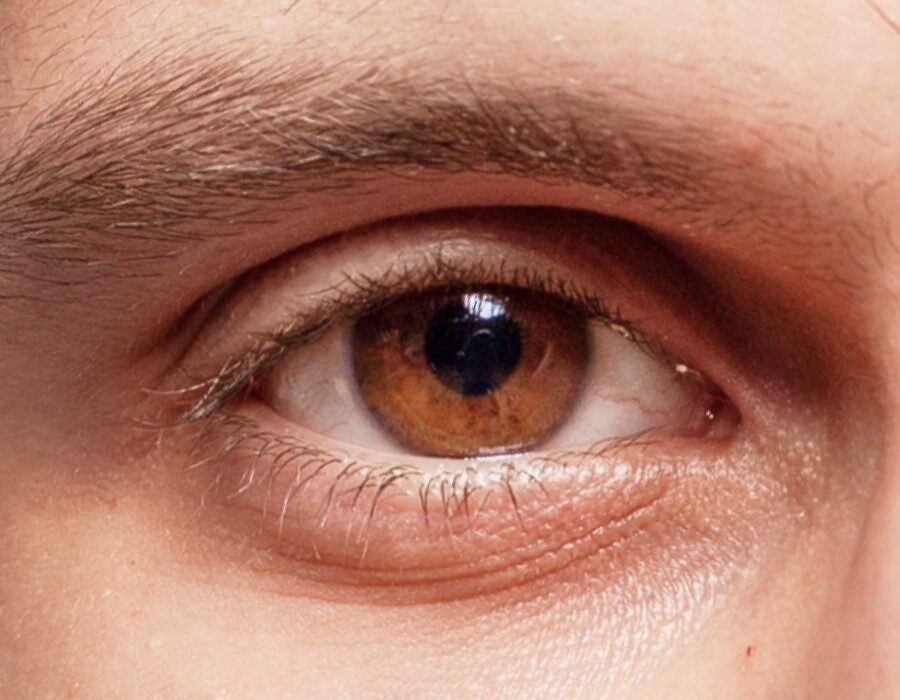
On the color wheel, amber sits between yellow and orange. The color amber gets its name from fossilized tree resin (the same material that sometimes preserves insects, like in Jurassic Park). This gemstone is valued for its striking range of warm, translucent yellow, gold, and reddish-orange hues.
Like the gemstone, amber eyes are a vibrant, solid color that can be described as gold, copper, or yellowish-brown. They are sometimes referred to as “golden eyes” when their shade leans more toward the yellow or bright copper end of the spectrum. The key characteristic is that the color is uniform throughout the iris.
Amber eyes are unique, but they are often mistaken for brown or hazel eyes. Understanding the differences is key toidentifyingthis rare shade.
While they may look similar at times, amber and hazel eyes are not the same color:
It may seem like amber-colored eyes are just a light shade of brown, but the cause of their color is what sets them apart:

If you’ve never seen someone with amber eyes, here are some celebrities who have this very rare eye color:

They’re often used interchangeably, but honey eyes usually describe lighter amber shades with a soft golden tone.
Lighting and clothing can make them appear lighter or darker, but true eye color doesn’t change in adulthood.
Yes, but only with cosmetic or colored contact lenses. Always follow your optometrist’s guidance for safe use.
If you have amber eyes or another light eye color, you’re at higher risk for UV damage because you have less melanin in your eyes and body. This means it’s even more important for you to wear sunglasses and broad spectrum sunscreen when you go outside.
No matter what color your eyes are, they’re unique. Take care of your eyes with annual eye exams so they can take care of you!
SOURCES