
























Do Sunglasses Protect Your Eyes?
October 16, 2025

Sunglasses help shield your eyes from harmful ultraviolet (UV)rays, which may contribute to conditions like cataracts and macular degeneration. They also reduce glare and eye strain, offering added comfort and protection during outdoor activities.
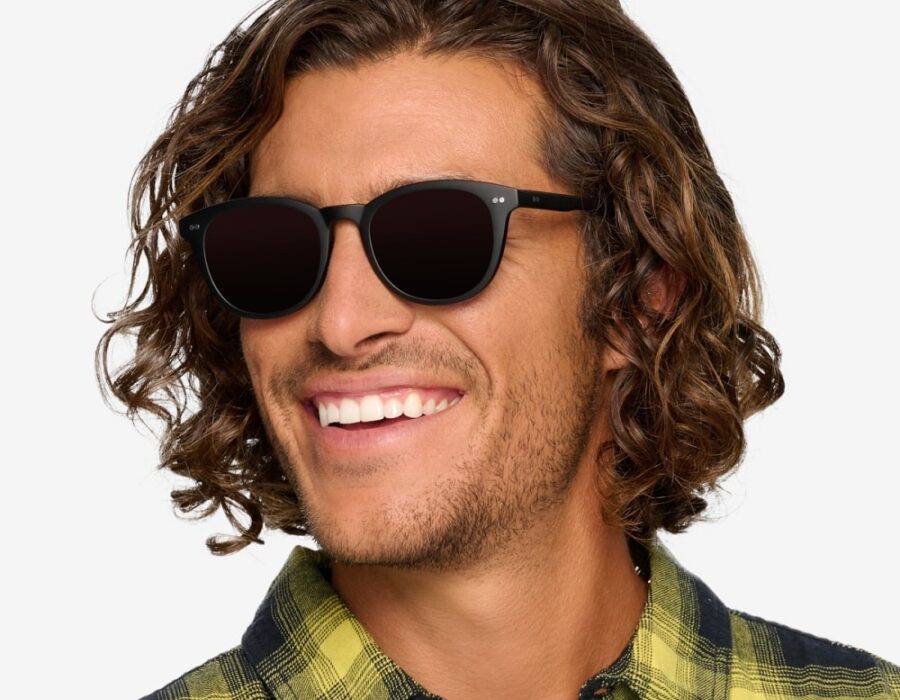
Sunglasses are more than just fashion accessories; they provide essential protection for our eyes. Exposure to UV radiation can cause both immediate discomfort and long-term harm. Prolonged contact with UV rays heightens the risk of developing cataracts, macular degeneration, and both eye and skin cancers. Sunglasses that offer UV protection help block these harmful rays and mitigate these risks. Moreover, they prevent photokeratitis, which is a painful condition akin to a sunburn after intense UV exposure.
Besides UV protection, sunglasses also shield the eyes from glare and bright light, thus preventing strain and fatigue. This is particularly beneficial when driving or engaging in outdoor activities. By reducing glare, sunglasses enhance comfort and ensure a safer, more enjoyable experience. As awareness of eye health grows, selecting the right sunglasses becomes a daily priority, balancing style with vision protection.
UV radiation originates from the sun. Although invisible, it significantlyimpactsour health, particularly affecting our eyes. UV radiationcomprisestwo main types: UVA and UVB rays. Both can damage our eyes in distinct ways.
UV rays can lead to several serious eye conditions. Here are a few:
Wearing sunglasses can shield your eyes from UV radiation, reducing these risks and maintaining eye health.

Sunglasses do more than enhance style; they protect your eyes from harmful UV rays. Quality sunglasses have lenses that block UV radiation, which canharmyour eyes. To achieve the best protection, select sunglasses that fit well and cover your eyes adequately.
When purchasing sunglasses, ensure they offer UV protection. Look for labels indicating 100% UV protection or UV 400, which means they block almost all harmful UV light. The lens color doesn’t determine protection—it’s the UV coating that does.
Polarized lenses can decrease glare from surfaces such as water or roads, offering more comfort for your eyes. However, they don’t provide additional UV protection. Keep this in mind when choosing polarized sunglasses.
Eyebuydirect provides a stylish collection of sunglasses suitable for both men and women. Explore UV protection glasses and sunglasses frames for options that cater to your style and requirements.
Sunglasses serve to protect our eyes from harmful UV rays, not merelyto functionas fashion accessories.Let’sdebunk some common myths about their effectiveness.
A frequent belief is that darker lenses provide better UV protection. This is incorrect. UV protection depends on lens material and coatings, not darkness. Dark lenses without UV shielding can be more harmful,permittingmore UV rays to enter. Always select sunglasses labeled “100% UV protection” or “UV 400” to safeguard against UVA and UVB rays.
A high pricedoesn’tequate to better UV protection. Numerous affordable sunglasses offer excellent UV protection. Always verify the UV protection labels, regardless ofprice. Brands likeEyebuydirectpresent stylish and protective options for any budget.
UV rays pose a threat to your eyes year-round. They can penetrate clouds and reflect off snow,sand , and water. Wear sunglasses even on cloudy or winter days.
Children’s eyes are more sensitive to UV rays than adults. Their lenses allow more UV rays to reach the retina. Ensure children have sunglasses with 100% UV protection and encourage them to wear them during outdoor activities.
By debunking these myths, you can select the best sunglasses for your eye health. Protect your eyes with the right pair.
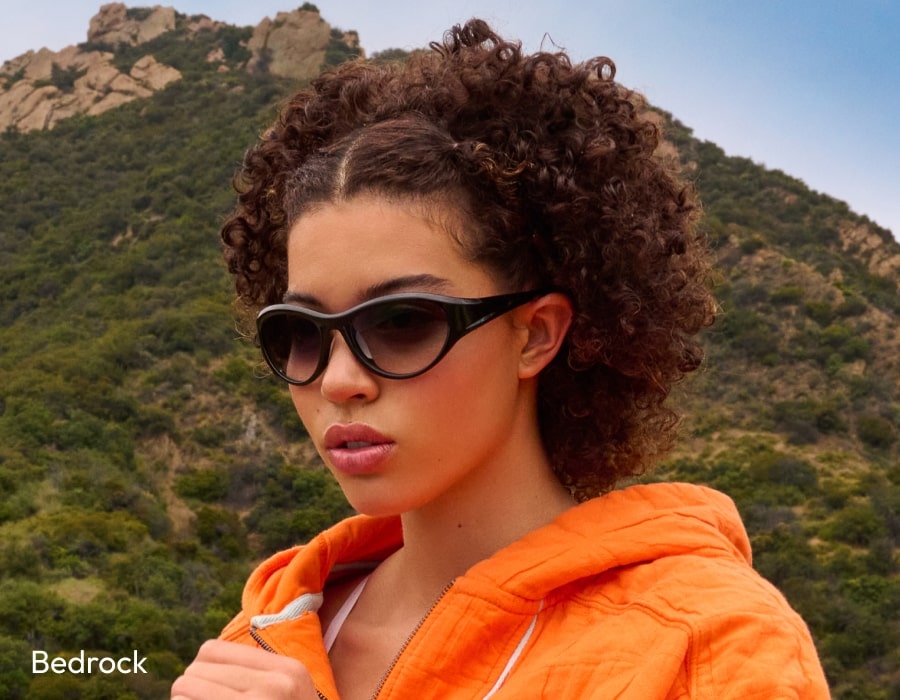
While sunglasses are crucial for blocking harmful UV rays, they are n ’ o t the soleoption. Incorporatingadditionalprotective measures can enhance your eye safety, especially when the sun is at its strongest.
Wearing a wide-brimmed hat offers a simple yet effective form of eye protection. Hats provide shade, reducing the amount of sunlight that reaches your face and eyes, thereby minimizing UV exposure and preventing skin burns. Pair a hat with sunglasses for added UV protection.
Sunscreen protects your skin and can also indirectly benefit your eyes. Applying it to your face aids in preventing skin cancer and premature aging. Take care when applying it near your eyes as it can cause irritation. Keep it at least one inch away from your eyes. For further guidance on sunscreen near the eyes, visit our guide.
By integrating these tips with your use of sunglasses, you can more effectively protect your eyes from the sun. Remember, combining hats, sunscreen , and sunglasses not only safeguards your eyes but also promotes overall health.