Learn the similarities and differences between optometrists and ophthalmologists. Find the ideal eye care professional for your individual needs.


Learn what a diopter is and what it means for your refractive error and prescription.

Is reading in the dark bad for your eyes? While not harmful, reading in dark environments can cause eye strain. Find tips for healthy reading habits here.

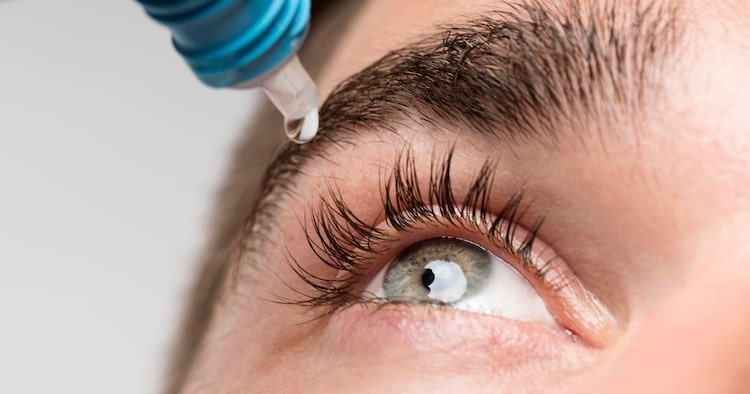
If you’ve ever used eye drops, you know it can be tricky to get them in your eye. Find out how to put eye drops in the right way.

Do you know someone with different-colored eyes? That’s called heterochromia. Read on to learn more about this rare condition.

Learn about pupil dilation, including why pupils dilate, why an eye doctor might need to dilate your pupils, and the importance of dilated eye exams.

Crazing occurs when the anti-reflective coating on your glasses cracks. It’s often due to heat exposure or manufacturing defects.

Determining your dominant eye can be useful if you participate in certain work or sports, and it may be a requirement if you have an eye-focusing problem.

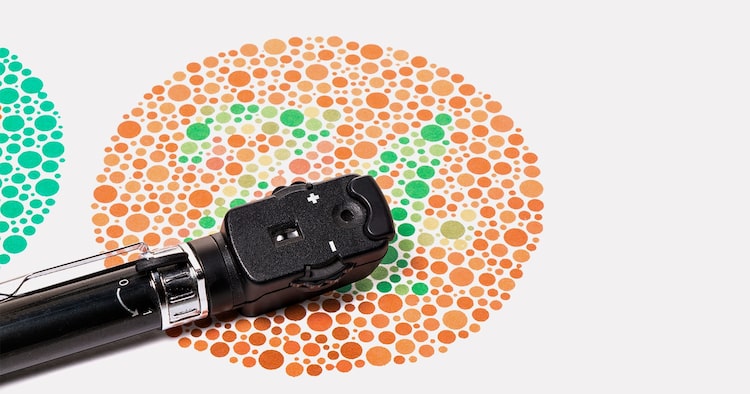
Learn about the different types of color blindness, like red-green and blue-yellow deficiencies. Plus, new technology to temporarily restore color vision.

Blue eyes are the second most common eye color in the United States, and blue-eyed people may be at a higher risk for certain conditions than others.