





























Polycarbonate Lenses vs. Glass
May 28, 2025


Choosing the right lens material affects how your glasses feel, function, and perform over time. If you care about comfort, safety, or clear visuals,it’sgood to know your options. This way, you can pick what fits your lifestyle best.
Each lens material offers unique benefits tailored to different needs and lifestyles.
For lightweight options, consider polycarbonate or high-index plastic lenses. Polycarbonate lenses are lightweight and tough. They’re a smart choice for kids’ glasses and for anyone with an active lifestyle. These lenses are 10 times more impact-resistant than regular plastic. They also block 100% of UV rays, keeping your eyes safe.
Glass lenses provide great clarity and resist scratches well. However, they are heavier and can break more easily.
Learning these differences will assist you in choosing the best fit for your lifestyle and vision needs.
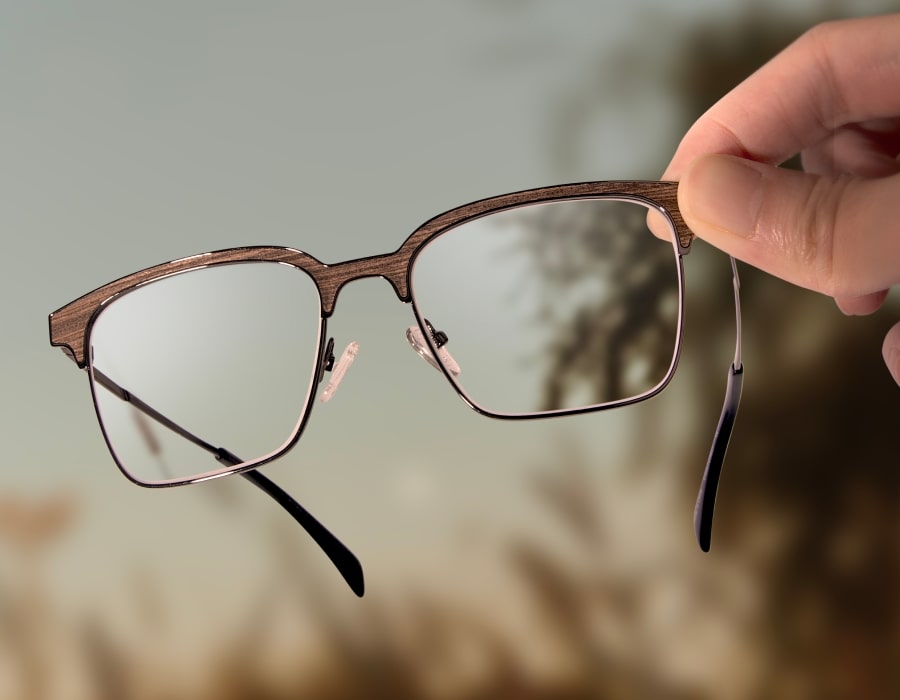
Polycarbonate lenses are a favored choice for eyewear due to their durability, comfort and protection. Crafted from robust, lightweight plastic, these lenses are ideal for daily use.
Polycarbonate lenses are ultra-durable, ultra-lightweight eyeglass lenses. While it’s not the thinnest type of optical lens out there, polycarbonate still retains its position as the Swiss Army knife of eyewear lenses. And with the right scratch-resistant coating or blue-violet light filter added, its potential increases even more.
Yes, they are indeed worth it. They’re durable and impact-resistant, lightweight and thin, and they even offer extremely effective UV protection. Benefits of polycarbonate lenses include:
Glass lenses areoften chosenfor their distinct feel and visual characteristics, depending on individual preferences.
Glass lenses have long been favored for eyewear due to their exceptional optical clarity, providing a sharp and precise viewing experience. Many individuals prefer them for their ability to resist scratches, maintaining a new appearance over time.
Glass lenses also have drawbacks. They are heavier than other lens materials, potentially causing discomfort during extended wear. Moreover, they are more fragile and may shatter upon impact, unlike more flexible materials such as polycarbonate. Additionally, they offer limited UV protection compared to modern options, which can pose a concern for frequent outdoor activities.
In summary, glass lenses deliver outstanding clarity and durability. However, consider their weight, fragility and UV limitations when selecting your eyewear.
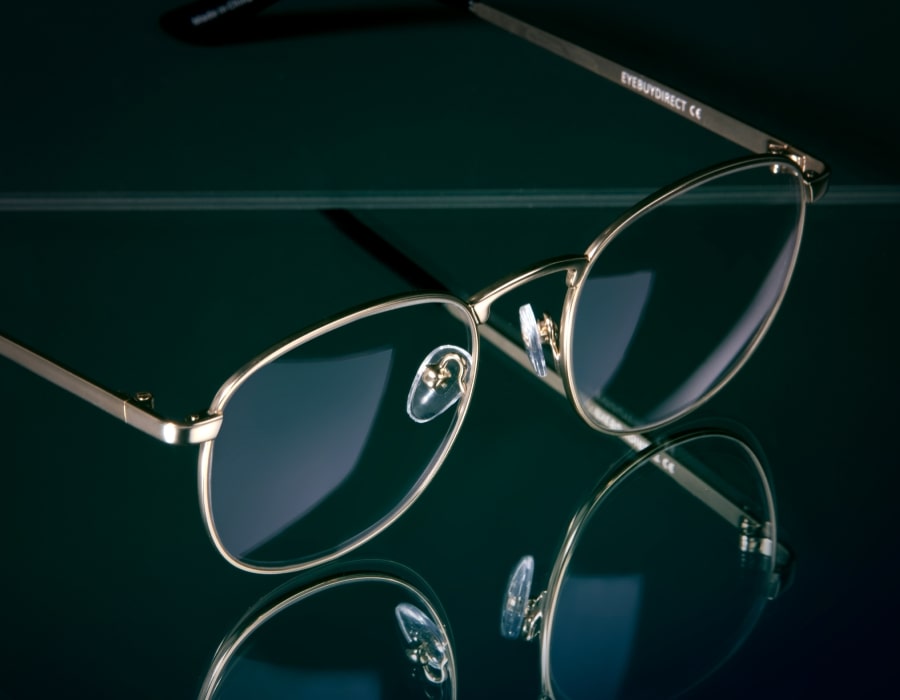
Choosing the right lens material is key foroptimalvision and comfort. Polycarbonate and glass are two popular materials, each with distinct advantages and disadvantages.Here’sa straightforward guide to help you decide which is best for you.
Foroptimalvisual clarity, glass lenses excel by providing a sharp and clear view. Although polycarbonate lenses may not offer the same level of clarity, they still deliver good vision. They often feature lens coatings to enhance clarity and minimize glare.
Polycarbonate lenses are exceptionally strong and impact-resistant, making them safer for active individuals or situations where glasses risk breaking.
Glass lenses are also strong, though they can shatter if impacted. They resist scratches well, contributing to longevity. For sports or young users, polycarbonate is often recommended due to its reduced breakage risk.
Polycarbonate lenses are light. They provide comfort for long wear by easing pressure on your nose and ears.
Glass lenses can be heavy. Wearing them for a long time may cause discomfort. This is especially true for people with sensitive skin.
Cost is a significant factor when selecting lenses. Polycarbonate lenses are often cheaper and easier to find, which many people prefer.
Glass lenses are priced higher but are valued for clarity and scratch resistance. Both types are available in stores and online, such as at Eyebuydirect.
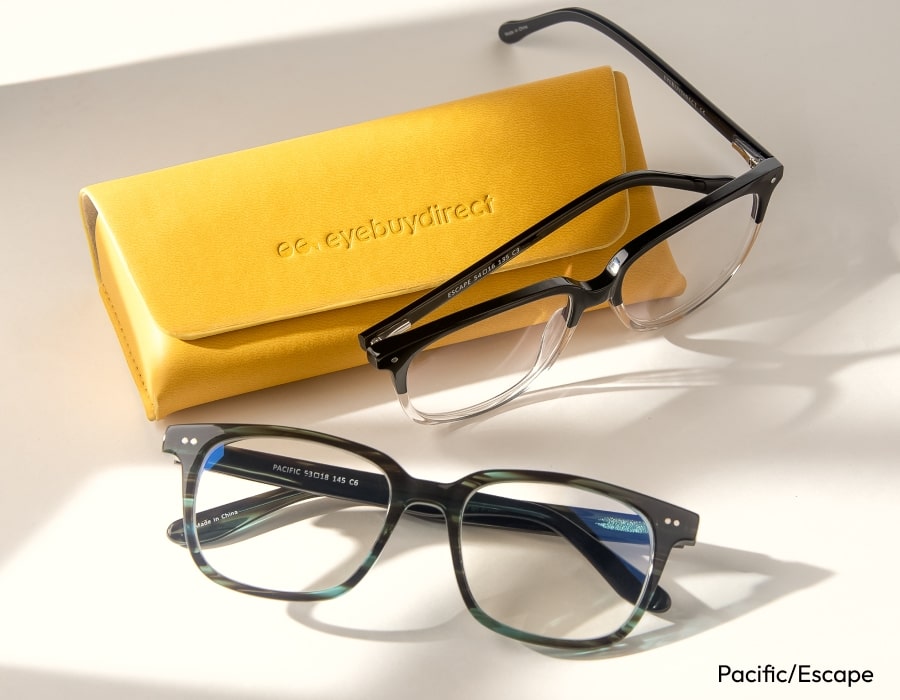
Plastic and polycarbonate lenses may appear the same, but they have key differences.
Polycarbonate is an advanced type of plastic. It’s lighter, thinner, and more impact-resistant than a regular plastic lens. However, plastic lenses tend to provide more optical clarity than polycarbonate.
Plastic lenses, like glass, lack built-in UV protection. So, if you want sun defense, you will need to order an extra UV coating.
Picking the right lens material is important for comfort and effective use.Your lifestyle and preferences playan importantrolein this decision.Here’show to find the best lens material for your glasses:
Determine what is most important to you when making a decision about your lens type. For durability in sports or outdoor activities, choose polycarbonate. For superior clarity in reading or computer work, glass lenses are a suitable choice.
The ideal eyeglass lens aligns with your lifestyle and needs. At Eyebuydirect, we offer a diverse range of both polycarbonate and glass lenses.